
aprilkirkwood0
About aprilkirkwood0
10 Small Adjustments That Could have A huge impact In your Realestate
There is a version of the housing market story that gets told over and over, and it goes like this: prices are high, rates are high, nothing is affordable, and the only people buying are the ones with cash. That version is not wrong, exactly. It is just incomplete.
 In markets where developers managed to bring inventory to market faster than demand absorbed it, prices have pulled back. Phoenix, Austin, and parts of Florida saw corrections of ten to fifteen percent from peak levels in some submarkets. But those are the exceptions. Most markets are not working from excess; they are working from scarcity.
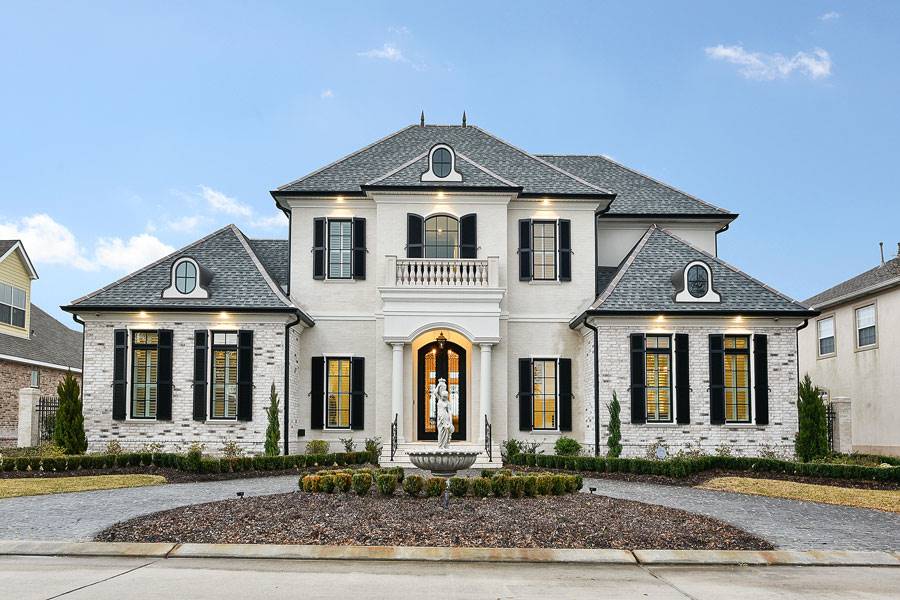 Elida is a name you might hear from a lot of agents right now, because the buyers getting deals done tend to treat the purchase like a business transaction rather than an emotional event. That is not a personality trait. It is a preparation habit.
Your credit score affects your rate more directly than most buyers realize. A score of 760 or above typically qualifies for the best rate tier most lenders offer. If your score has room to improve, pull your reports, find the issues, and address them before you start shopping seriously.
If the report surfaces findings that change the financial picture of the deal, you have three options, not one, and walking away is a legitimate one of them. You can request a credit against the purchase price to handle repairs yourself. Signing off on a failing roof or a bad HVAC system is not the same house you made an offer on.
Negotiation works best when it is quiet and well-prepared. Before you make an offer, find out how long the listing has been active. A listing that has been sitting for six weeks with no price adjustment is a fundamentally different negotiation than one that just hit the market at an aggressive price.
 The timing question, whether to buy now or wait for rates to come down, is the one that trips up more buyers than any other single factor. Waiting for the perfect moment is how people end up renting for another five years when they did not mean to. The more useful question is not whether now is the right time in the abstract; it is whether you are buying because the numbers make sense for you, not because you feel social pressure to own.
 Real estate rewards preparation more than it rewards timing. The market does not wait for the ideal moment, and neither should buyers who have done the work. A look at real estate listings and pricing data in your target area costs nothing and tells you a great deal.
No listing found.